


Moon Phase Calendar - MoonX
4.6720.00 Reviews
App Specs
- Version
- 2.9.11
- Updated On
- License
- Free
- Downloads
- 1,000,000+
- Developer
- LLC VIBES
- Categories
- Lifestyle
- Platform
- Android
Screenshots
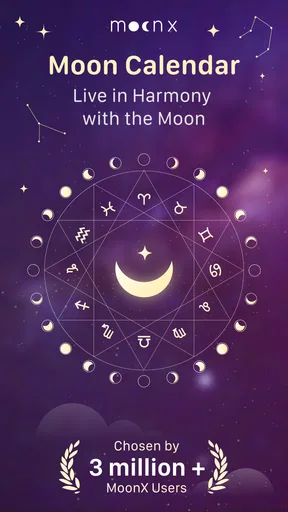
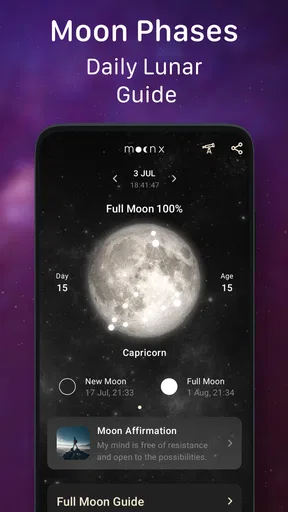
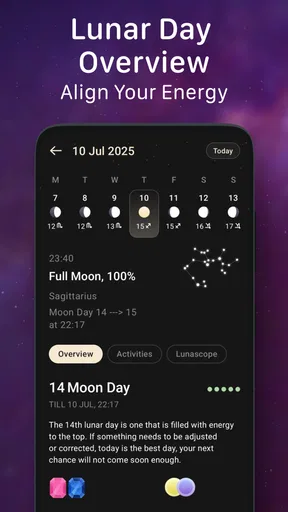
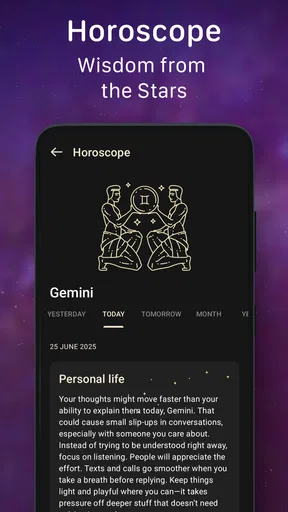
 Analysis by AppCompare
Ever found yourself staring at the night sky, wondering about the moon phases? If you're like me, a bit of a night owl with an inclination towards astrology, the Moon Phase Calendar - MoonX app might just be your new best friend. After spending some time with this app, I’m here to share my experiences and insights, so buckle up!
Where a moon-and-astrology app can feel unclear
When I use an app that brings lunar information and astrology together, the first question is what I want from it at that moment. Am I checking the moon’s phase, reading a horoscope, or looking for a wider birth-chart view? Those are related interests, but they are not the same task. I get the most out of MoonX when I approach it with one clear question instead of expecting every screen to serve as a complete astronomy reference and a complete astrology consultation at once.
That distinction matters if you are new to this subject. A phase calendar can help you notice the lunar cycle, while an astrological interpretation gives that cycle a symbolic meaning. I find it useful to treat the first as a way to orient myself in time and the second as a prompt for reflection. Neither needs to decide what I do that day. If you want exact observational guidance for a particular location, a dedicated sky-watching resource may be a better companion than a lifestyle app centered on moon and astrology.
MoonX is a free lifestyle app from LLC VIBES, and its blend of horoscopes, lunar material, and birth-chart interests is the point of difference from a basic calendar. The audience response is strong: it has an average rating of 4.8 from around 10,000 ratings, with more than 500,000 installs. I would read that as evidence that many people enjoy this kind of daily reference, not as proof that every interpretation will fit every user. Astrology is personal, and the value here depends on whether you like using it as a reflective practice.
Getting to Know MoonX
First off, let’s talk about what this app really is. Moon Phase Calendar - MoonX is your ultimate guide to understanding the moon’s journey through its phases. Whether you’re an astrologer, a stargazer, or just moon-curious, MoonX provides a plethora of information at your fingertips. From detailed lunar calendars to zodiac insights, it’s like having a cosmic companion in your pocket.
Features That Shine
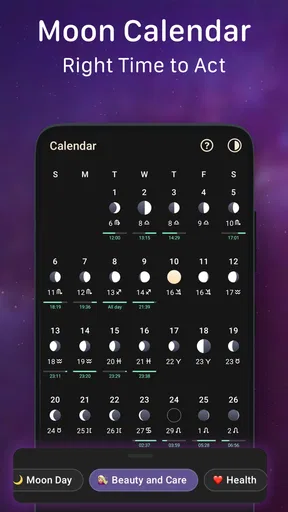
One of the standout features is the interactive moon calendar. It’s super intuitive and lets you track the current phase of the moon in real-time. I found myself frequently checking it, especially during the full moon phase, to plan my moonlit walks.
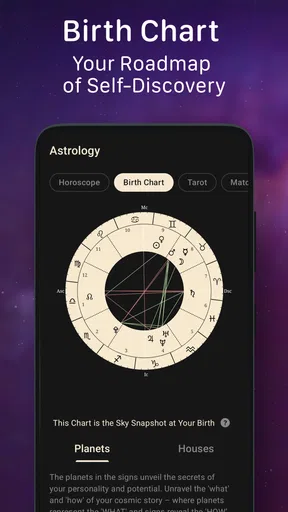
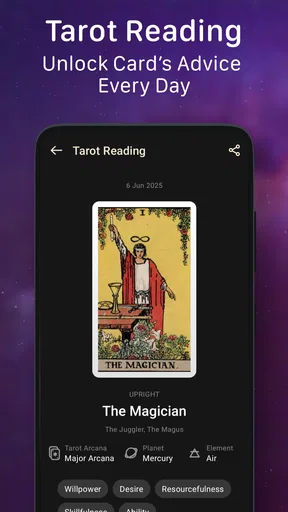
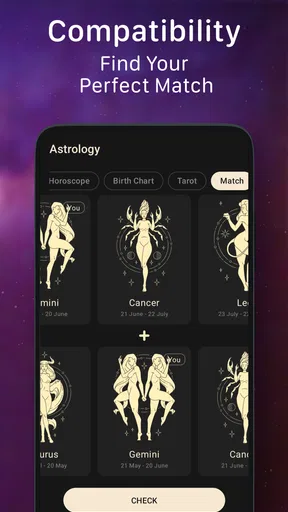
Another feature that caught my attention was the astrological insights. For those who dabble in astrology, the app provides daily horoscopes and moon phase forecasts. It’s like having your own personal astrologer whispering cosmic secrets in your ear.
Worth Reading Before You Choose

EA SPORTS FC Mobile 26 Is a Bigger Football Game, but It Takes Time

Flipboard Shows What News Apps Must Do Beyond the Feed

Switching to Android Auto Means Rethinking Your Driving Routine

Google Calendar Makes a Crowded Week Easier to Manage

Ludo King Makes the Most of the Minutes Between Plans

Baby Panda World Brings Quick Play to Modern Phones, but Its Game Library Feels Busy
And let’s not forget the personalized notifications. You can set alerts for specific moon phases or astrological events, ensuring you never miss a celestial moment. It’s a neat touch for those who live by the moon.
Making the calendar useful day to day
A practical way to use the calendar is to check it before making plans that depend on the evening sky. I might look at the phase in the morning, then decide whether a moonlit walk sounds appealing after work. The calendar can help me think ahead, but cloud cover, local light pollution, and the actual view from my route still determine what I see. I would not treat a phase indicator as a promise of clear skies or a substitute for checking local conditions.
Notifications work best when I keep them selective. If every possible event becomes an alert, the reminders can turn into background noise and I stop paying attention. I would start with only the lunar moments I genuinely want to notice, then adjust after a week or two. This is a small but useful trade-off: reminders make the app easier to revisit, while too many can make a personal ritual feel like another set of demands on the day.
For astrology newcomers, I’d also avoid trying to absorb every interpretation in one sitting. A simple routine is to read a daily horoscope once, note one thought that feels relevant, and move on. That keeps the app in the role of a reflection aid rather than a decision-maker. If the language does not resonate, there is no need to force a connection; checking the calendar alone is still a perfectly reasonable use.
User Experience: Smooth Sailing?
As far as user experience goes, the app is pretty straightforward. The interface is clean and user-friendly, which is a big plus for those of us who aren’t tech-savvy. Navigating through the different sections was a breeze, and I didn’t encounter any glitches during my time with it.
One thing I appreciated was the customization options. You can tweak the app to follow your preferred zodiac system, whether it’s Western or Vedic. Plus, the dark mode feature is perfect for late-night stargazing.
Setup checks and a less frustrating routine
If something does not look the way I expect, I first check the setting I chose rather than assuming the calendar is broken. In particular, the Western and Vedic options can lead to different astrological framing, so it is worth confirming which system I want to follow before comparing a reading with another source. A difference between two interpretations may come from those settings, not from a mistake in the app.
I also find it helpful to separate a practical check from an interpretive one. If I want to know the moon’s phase, I look at the calendar; if I want a horoscope, I read that section on its own terms. Switching between the two with a clear purpose makes it easier to notice what I came for and avoids treating a short daily reading as a full birth-chart analysis.
For a normal reset when a screen seems confusing, I would leave that section, return to the main navigation, and open it again before changing multiple preferences at once. If a notification is not useful, I would review the alert choices and reduce them rather than enabling more. These are simple ways to narrow down the source of friction without guessing about technical causes or making settings changes that create a different problem.
What Could Be Better?
Now, no app is perfect, right? While Moon Phase Calendar - MoonX scores high on many fronts, there are a couple of areas that could use some refinement. For instance, the premium version offers more in-depth features, but the free version feels a bit limited. If you’re serious about your lunar studies, upgrading might be worth it, but it’s something to keep in mind.
Additionally, the app could benefit from a community feature where users can share insights and experiences. Imagine discussing the last lunar eclipse with like-minded moon enthusiasts!
Who will get the most from it, and who may not
I think MoonX is a good fit if you enjoy checking a lunar calendar, like having astrology close at hand, or want a low-effort way to build a small reflective habit. It is especially useful for someone who already knows whether they prefer Western or Vedic astrology and wants that choice available alongside moon-related material. A casual user can dip in for a phase check; a more engaged user can return for horoscopes and explore the birth-chart side.
It is less suitable if you want a purely scientific astronomy tool, a detailed sky map for identifying objects overhead, or a social space for exchanging interpretations. The app’s appeal is its personal, astrology-oriented mix, not a promise to replace specialist resources. If you want explanations grounded strictly in observational astronomy, I would choose an astronomy-focused app for that job and use MoonX only if its astrological approach also interests you.
Compared with a plain calendar, MoonX gives the lunar cycle more context and places astrological material close by, which can make it easier to turn a quick check into a regular habit. Compared with a horoscope-only app, its moon calendar gives the experience a more concrete time-based anchor. The trade-off is that someone who wants just one narrow function may find a simpler alternative quicker and less distracting.
When a problem may be outside the app
Not every mismatch means the app has failed. The moon can be in a phase that is correct on a calendar yet difficult to see from a particular place or at a particular time. Weather, buildings, trees, and artificial light all affect a real-world viewing plan. I use the app to know what phase to expect, then let the conditions outside guide whether a walk or a longer look makes sense.
Astrological readings also vary across systems and sources. When two interpretations differ, I would check whether both are using the same zodiac approach before deciding that one is wrong. And when a horoscope feels broad or unrelated to my circumstances, I take that as a reason to use it lightly rather than as a personal instruction. Keeping that boundary makes the app more enjoyable and prevents a quick reading from carrying more authority than it deserves.
What to know before settling into it
The app is free to start, with optional in-app purchases priced from $0.99 to $99.99 per item. I would explore the free experience first and decide what I actually use before paying for anything. That is the clearest way to judge whether additional depth is useful to me, especially since the free version may feel limited if I want more extensive material. The listed age rating is Everyone, and the current version is 2.9.8; it supports devices running Android 6.0 or later.
A realistic routine might be to check the moon calendar over breakfast, save a reminder for a phase I care about, and read the horoscope only when I want a reflective prompt. At the end of the week, I could ask whether the alerts helped me notice the cycle or merely interrupted me. That small review tells me more than turning on every option at once, and it makes it easier to keep the app in a role that suits my day.
Conclusion: A Cosmic Companion
All in all, the Moon Phase Calendar - MoonX app is a delightful tool for anyone interested in the moon’s mystical journey. It’s informative, easy to use, and quite engaging. Whether you’re planning your next full moon ritual or just curious about what the moon has in store for your zodiac sign, this app has got you covered.
If you’re ready to dive into the lunar world, why not give it a try? You might just find yourself looking up at the sky with a newfound sense of wonder. Happy moon gazing!
Pros
- Intuitive user interface
- easy to navigate.
- Detailed moon phase tracking features.
- Customizable notifications for moon events.
- Includes lunar calendar and astrology insights.
- Offline access to moon data.
Cons
- Limited free features
- in-app purchases required.
- Some users report occasional syncing issues.
- Ads can be intrusive in the free version.
- Compatibility issues on older devices.
- Lacks social sharing options for insights.
FAQs for Moon Phase Calendar - MoonX
What features does MoonX offer for tracking moon phases?
MoonX provides detailed information about moon phases, including new moon, full moon, and quarter phases. The app also offers real-time lunar positioning, astrological insights, and personalized notifications to keep users updated on celestial events. Additionally, users can explore historical and future moon phase data through an intuitive calendar interface.
Is MoonX suitable for beginners interested in astronomy?
Yes, MoonX is designed to be user-friendly for beginners while also offering advanced features for enthusiasts. The app includes interactive tutorials and guides to help users understand lunar cycles and their impact. With its easy-to-navigate interface, even those new to astronomy can quickly learn to track and interpret moon phases.
Does MoonX require an internet connection to function?
MoonX primarily functions offline, allowing users to access moon phase data and calendars without an internet connection. However, some features, such as real-time updates and sharing options, may require an online connection. This makes it convenient for users who may not always have internet access.
Can I customize notifications in the MoonX app?
Yes, MoonX allows users to customize notifications based on their preferences. You can set alerts for specific moon phases, astrological events, or even when the moon enters a particular zodiac sign. This ensures that users receive timely updates tailored to their interests and activities.
Is MoonX available for both Android and iOS devices?
MoonX is available for download on both Android and iOS platforms. The app is optimized for various devices, ensuring a seamless experience regardless of the operating system. Users can find the app on Google Play Store for Android devices and the Apple App Store for iOS devices, making it easily accessible to all.


